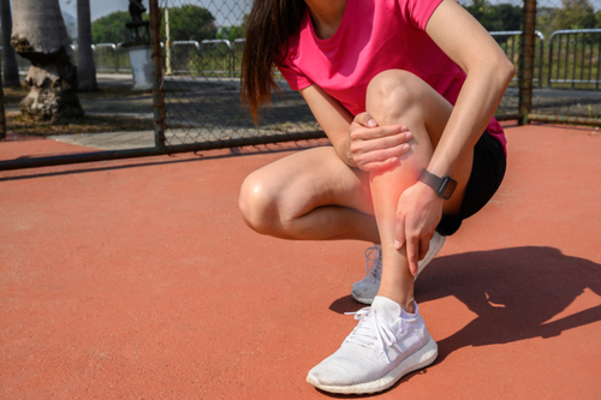
Pre-Hab for Runners: Preventing Shin Splints, Runner’s Knee and Achilles Tendonitis
As marathon training cycles peak across Sydney’s parks and coastal tracks, recreational runners in Alexandria and Green Square significantly step up their weekly mileage. However, rapid increases in training volume or intensity often lead to lower-limb overuse injuries.
Pre-habilitation (pre-hab) focuses on proactive biomechanical load management, gait optimisation and targeted capacity building to keep runners pain-free before structural tissue breakdown occurs.
Mechanical Load vs. Tissue Capacity
Overuse injuries in running develop when cumulative mechanical load exceeds the physiological load tolerance of a specific tissue over time:
Tissue Capacity<Cumulative Load⟹Overuse MicrotraumaTissue Capacity<Cumulative Load⟹Overuse Microtrauma
Running generates ground reaction forces equal to 2.5 to 3 times total body weight per step. When cumulative volume increases faster than tendons, bones and cartilage can adapt, localised inflammation and microtrauma develop across three primary stress zones:
- Shin Splints (Medial Tibial Stress Syndrome): Repetitive bone loading causes micro-strain along the periosteum of the tibia, frequently triggered by sudden increases in hard-surface running.
- Runner’s Knee (Patellofemoral Pain Syndrome): Suboptimal tracking of the patella over the femoral groove causes structural friction, often stemming from weak gluteal stabilisers or tight quadriceps.
- Achilles Tendonitis (Tendinopathy): High tensile loads exceed the calf complex’s force-absorption capacity, causing structural disorganisation in the Achilles tendon fibres.
3 Core Pillars of Proactive Running Pre-Hab
- Biomechanical Gait Analysis
A professional gait assessment identifies subtle movement inefficiencies. Assessing cadence, foot strike mechanics and pelvic stability under motion allows physiotherapists to correct over-striding—a primary driver of excess heel impact and knee joint stress.
- Targeted Strength and Tissue Capacity Building
Building load tolerance requires dedicated strength work twice per week:
- Soleus and Gastrocnemius Loading: Heavy, slow calf raises (both straight-knee and bent-knee) increase the tensile capacity of the Achilles tendon.
- Single-Leg Quadriceps & Gluteal Stability: Bulgarian split squats and single-leg deadlifts strengthen pelvic stabilisers, reducing knee valgus (inward collapse) during landing.
- Tibialis Anterior Conditioning: Weighted toe raises strengthen the anterior lower leg muscles, cushioning force transmission along the shin bone.
- Progressive Load Management
The most critical variable in injury prevention is volume control. Avoid increasing total weekly mileage by more than 10% per week and alternate high-intensity runs with low-impact recovery sessions.
Addressing kinetic chain imbalances early ensures runners maintain consistent training cycles, protect joint integrity and safely reach peak race-day performance.